By Kris Wallace
If you’re unfamiliar with the term “hydropolitics,” you’ll soon be hearing more about it. It’s essentially the discourse that decides where water stays, where it goes, and ultimately who has access to it.
This discussion is becoming crucial as water sources across the globe—particularly those in developing nations—become increasingly vulnerable to exploitation and attack.
Our work in bringing water sovereignty to rural villages in Mali and Niger takes place in two regions where the worst aspects of hydropolitics are right next door. Let’s spotlight the issue, and see how Wells Bring Hope is sure to become an even more impactful ally in the wider water effort.
Hydropolitics at a Glance
One of European influence’s many African legacies is the poor planning of equitable access to water basins. This has led to frequent intertribal conflict and the necessity for treaties across tribal boundaries where peaceful and universal access to water should exist.
Mali and Niger are among the many African nations which today are still negatively impacted by that legacy. They are also hugely dependent on the Niger River basin, the upper system of which lies in Sierra Leone with its middle system receiving six tributaries from Burkina Faso.
In recent years Burkina Faso has seen the destruction of key water facilities, the targeting of water trucks and water routes by unidentified gunmen and assailants, with water sources deliberately contaminated. And since Burkina Faso borders both Niger and Mali, the worst of the water wars are worryingly close while water can be painfully far away.
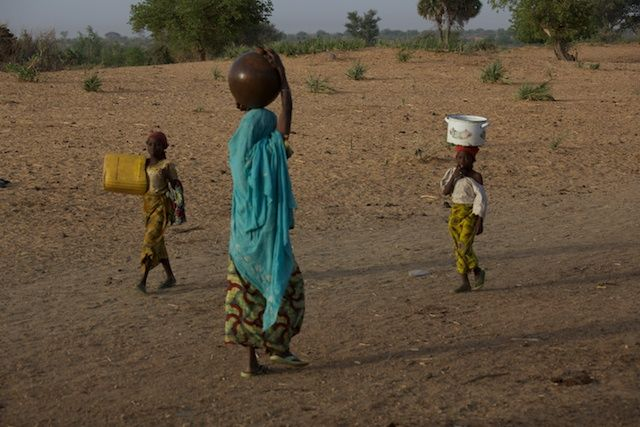
Three women on the long trek to collect water. Source: WBH
The tactics of these water wars are indicative of a wider trend in African conflicts. While it’s great to hear the African Union make water management a key focus of their 2026 summit, there’s still a lot of work to do.
Water Scarcity is a Perennial Struggle
Access to safe water has always been profoundly difficult in many African regions, with droughts and climate change only exacerbating manmade problems. Here’s a snapshot of the situation in Mali and Niger:
- 61% of rural Nigerien villagers are without safe water.
- 63% of rural Malian households have no access to basic sanitation.
- Vulnerable women and young girls walk four to six miles to access often-unclean water sources.
Niger and Mali both lack high-grade water governance that can ensure fair and peaceful access to clean water, and the slow wheels of politics can’t provide a swift solution.
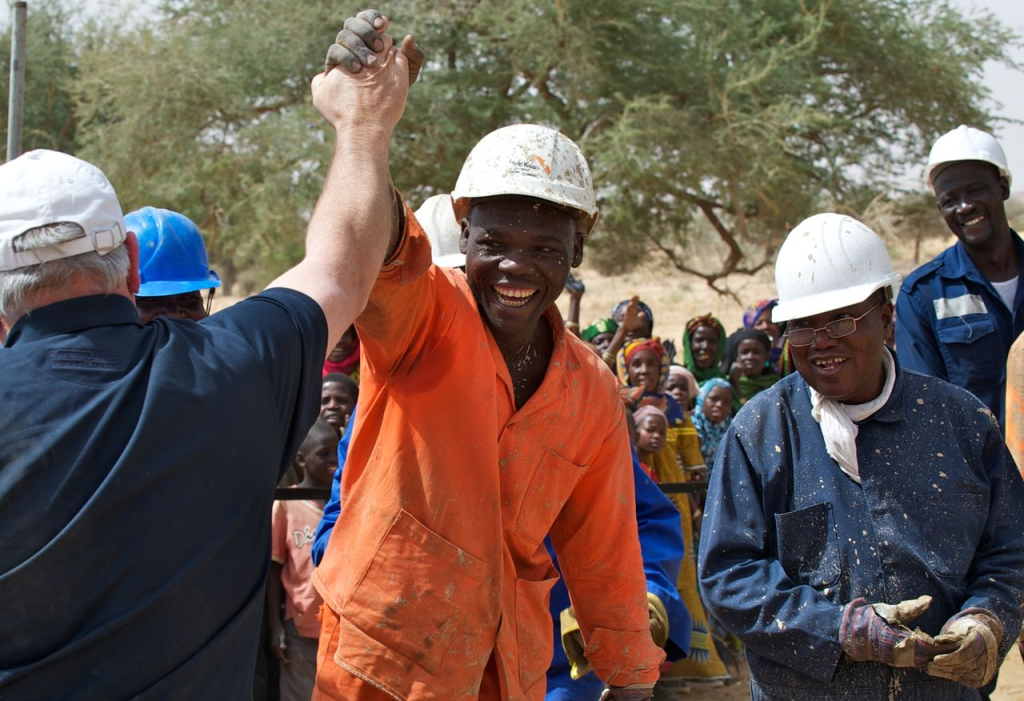
Getting the job done! Source: WBH
At Wells Bring Hope, we know that water isn’t a commodity to be exploited or restricted. It’s everyone’s right. We’re actively reinforcing that fact by drilling wells and providing tools and education which empower Nigerien and Malian communities to manage their own water sources.
How Wells Bring Hope Strengthens Water Sovereignty
Our eight-step, water-centric mission is succeeding in restoring health, financial prospects, and sustainability to villages in Mali and Niger. Here are some of the many positive changes we see thanks to our volunteers, donors, and partners:
- Women and girls saved from walking miles for water.
- Groundwater being purified by building latrines.
- Improved hygiene practices and reduced illness, disease, and child mortality.
- Drip farming techniques enabling villagers to grow and market their own food.
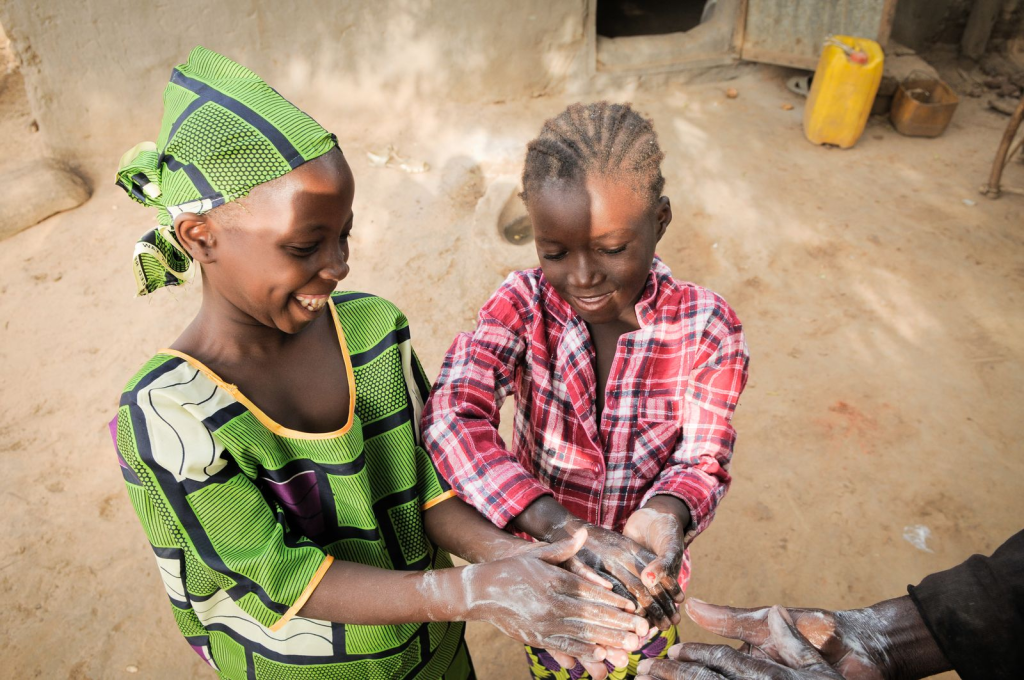
Simple handwashing can prevent a host of problems. Source: WBH
And we’re not alone in the fight for basic human rights. Initiatives like Nigeriens Nourishing Nigeriens and Mali’s National Strategic Digital Health Plan are underway within our operating regions proving that other organizations share our spirit.
As a Wells Bring Hope donor, you can be confident that 100% of your donation goes to funding a safe water project. You’ll also know you’re making a powerful difference to present and future generations.
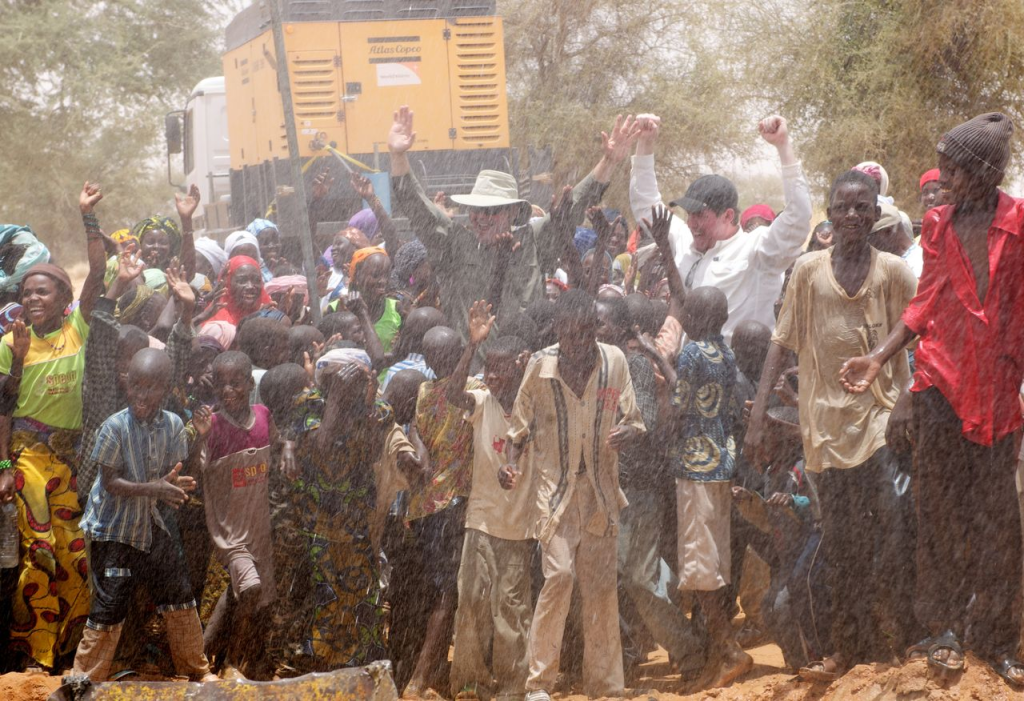
Together, we can win the water wars! Source: WBH
Sources:
- Ismail, S. (2026, February 13). Are African ‘water wars’ on the horizon as AU puts the issue on its agenda? Al Jazeera. https://www.aljazeera.com/news/2026/2/13/are-african-water-wars-on-the-horizon-as-au-puts-the-issue-on-its-agenda
- News and press release. (2022, May 3). Burkina Faso: Over a quarter million people victims of new “water war” in peak dry season. https://reliefweb.int/report/burkina-faso/burkina-faso-over-quarter-million-people-victims-new-water-war-peak-dry-season#:~:text=Thirty-two%20water%20facilities%20have,any%20other%20in%20the%20country
- Press releases. (2026, February 11). AU Executive Council Opens 48th Ordinary Session with Strong Call for Unity, Sustainable Water Management and Accelerated Continental Integration. https://au.int/en/pressreleases/20260211/au-executive-council-opens-48th-ordinary-session-strong-call-unity
- Wells Bring Hope. What We Do. https://wellsbringhope.org/what-we-do/
- Futurepolicy.org. Niger’s 3N Initiative: ‘Nigeriens Nourishing Nigeriens’. https://www.futurepolicy.org/healthy-ecosystems/nigers-3n-initiative-nigeriens-nourishing-nigeriens/


